
I used to think addiction was something that only happened to “other people.” You know, the ones who lost everything to drugs, alcohol, or gambling. But then I realized something disturbing: I was addicted too. Not just to a substance, but to something far more subtle—and far more dangerous.
It turns out, addiction isn’t just about drugs. It’s about dopamine—the brain chemical that controls motivation, focus, and pleasure. And modern life? It’s turned into a giant dopamine casino.
Your phone, your food, your entertainment—everything is designed to keep you hooked, distracted, and craving more. The worst part? This kind of addiction is subtle. It doesn’t wreck your life overnight like heroin or meth. Instead, it slowly drains your energy, focus, and willpower, keeping you stuck in a loop of low motivation and constant distraction.
But here’s the good news: once you understand how this system works, you can break free. I’m about to show you exactly how modern life is hijacking your brain, why it’s keeping you stuck, and how to reclaim control over your mind, energy, and life—before it’s too late.
Addiction Isn’t What You Think It Is
Many people typically only think about addiction being a huge problem when its an addiction to a hard drug, but it’s time to shatter that illusion.
Addiction to tv, sugar, phones or social media is just as harmful as an addiction to alcohol or cocaine—the only difference is the effects are more subtle and take longer to manifest. This often makes the situation worse, because if you are addicted to social media for example, you might not be aware of the problem until it has played itself out for a long time. If you are addicted to alcohol, you probably are fully aware you have a problem.
It is easy to try and convince yourself that your specific addiction isn’t a big deal, is manageable, and is not as bad as others. I wouldn’t be so convinced though. Alcohol will wreck your liver, but addiction to screens—phones, tv, and computers—will wreck your energy, focus, willpower, and entire body.
Addiction to technology and blue-light screens will destroy your circadian rhythm, and this will affect every aspect of your life. The same is true with sugar, and the cascade of negative health effects that follows overconsumption.
There is a certain flavor of insanity and delusion in our society when it comes to addiction. If you are like me, you were probably told as a child about the dangers of addiction, warned against becoming an addict. An addict in this case meaning drug use—meth, cocaine, crack, etc. Ironically, the very people doing the warning were themselves addicts, just of a different flavor.
If we want to truly understand and overcome addiction, we need to stop putting the emphasis on the substances or behaviors, and instead put the spotlight on the mechanism itself. How does addiction work? Why are we so prone to addiction? Why do most people struggling with addiction not even realize they are addicted?
The Root of Addiction: It’s All About Dopamine
At its core, addiction starts to become an issue because there is a discomfort within ourselves and our current reality. We are not fully content with what is happening, and we feel like we need more. More what? Dopamine.
Dopamine is a neurotransmitter (a chemical messenger) in the brain that plays an important role in motivation, reward, pleasure, movement, and mood regulation. Dopamine is released in response to pleasurable experiences—like social interactions, yummy food, sex, exercise, achieving a goal, or drugs and other substances.
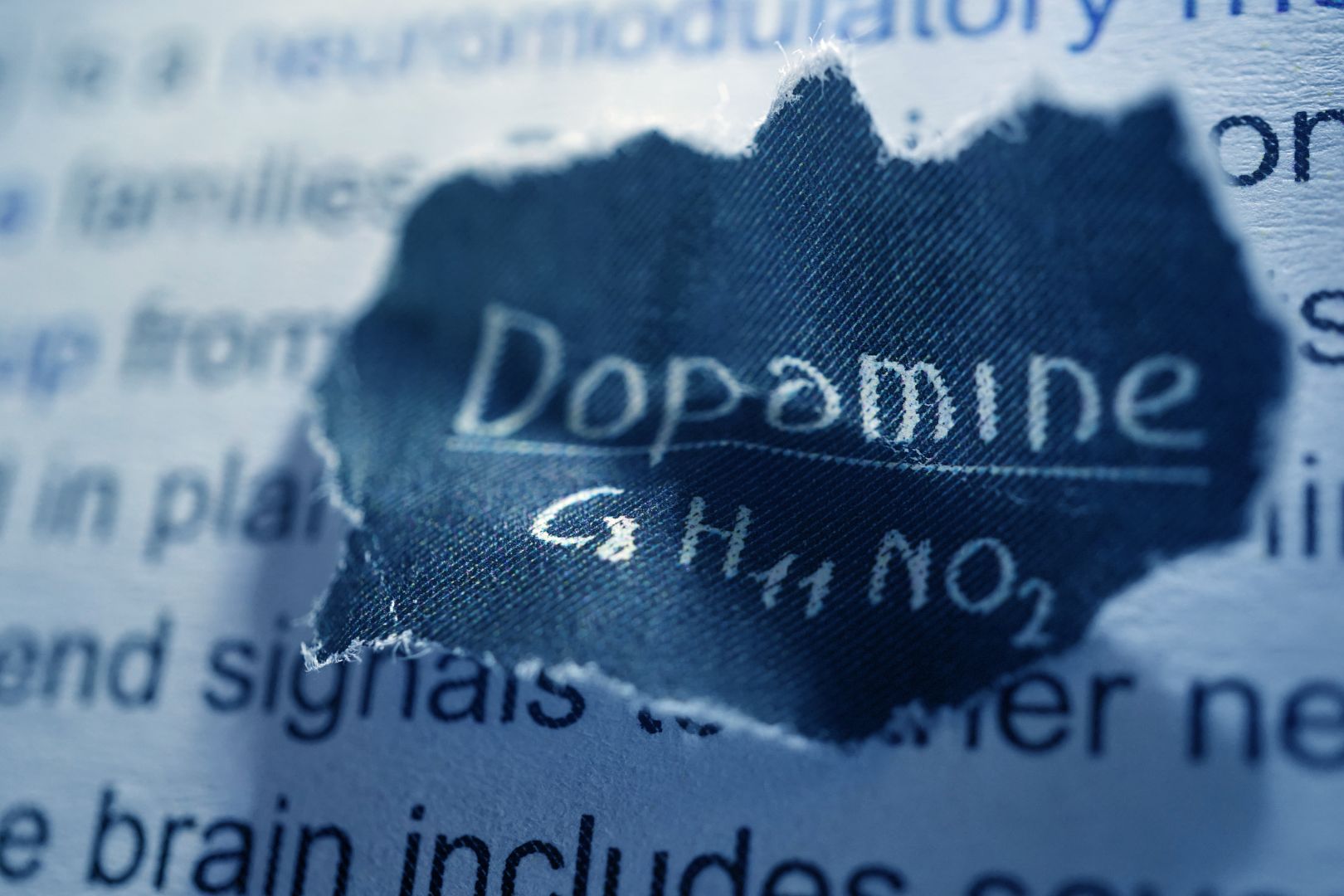
When you engage in any of these things, dopamine is released and you feel good. This reinforces the behavior, because we begin to associate the good feeling with the activity or substance. This is addiction. What we really want is the dopamine, and the easy way we know how to get it is whatever behavior or substance we are addicted to.
Most of our modern society has aligned itself to hijack this mechanism in people and use it to generate massive amounts of profit.
Why go through all the effort to achieve a massive goal when you can watch a movie that portrays a hero doing it instead? The dopamine you get in the end is the same. Why cultivate meaningful friendships when you can get on social media and scroll? Its the same dopamine. Why exercise when you can eat sugar?
Many substances provide an even more direct path towards increasing dopamine, either by increasing the amount released, making the dopamine last longer when it is released, or just generally causing a large amount to be released when the substance is consumed. Cocaine, alcohol, tobacco, and more.
It is all a dopamine game, and most people are accustomed to a quick-fix. A funny meme, a sugary snack, a quick release (masturbation or sex), or a cigarette (or joint). They want that quick hit of dopamine.
We’ve all been there, sucked into a social media doom scroll. At the end of it, you don’t have a real perception of how long its been, or what you were even looking for when you started. Except, now you do know. You were looking for a quick dopamine hit, and you got it. You actually kept getting it, which is why you stayed.
Why Your Brain Craves More (But Feels Less and Less)
This search for quick dopamine hits everywhere starts a vicious cycle, the effects of which are extensive. Overall, your general dopamine response becomes repressed. Dopamine receptors become dulled, meaning it takes more dopamine to have them react. As well, the brain will produce overall less dopamine, which will lower your baseline enjoyment and motivation in life.
People that are struggling with addiction all have chronic low levels of dopamine. This feeds into the addiction because they have become accustomed to quick dopamine hits, instant gratification. Their lower base dopamine levels means they have reduced attention and focus, increased anxiety, lack of motivation, mood disorders, and normal life (work, exercise, socializing) feels less rewarding in general.
All of this feeds into each other, which is why addiction can feel so hard to overcome. Breaking out of this cycle requires a great deal of work, and the reward will not be felt for quite some time.
Lets take a look at social media addiction as an example.
Social media hijacks the brains dopamine system, creating a cycle of instant gratification, overstimulation, and eventual depletion. While you are scrolling, the brain is continuously releasing small bursts of dopamine, reinforcing the habit and making it difficult to stop. The randomness of the constantly changing content (news, posts, comments, videos) mimics gambling, and each new post has the potential for a dopamine hit—especially if its unique, exciting, or emotional.
While scrolling, the brain is expecting a dopamine reward. When something interesting appears, dopamine spikes. The brain then adapts and demands more stimulation. The cycle continues, leading to compulsive scrolling. Note that even if the emotional response is negative—fear, anger, anxiety—dopamine still gets activated, reinforcing the habit with negative emotions while also making it more engaging because cortisol and adrenaline are now involved.
Each new post rewards you in the moment, but provides no deep fulfillment. Just like with substances like sugar or nicotine, the brain craves another hit after each dopamine drop. This is exactly why you might find yourself continuing to scroll and scroll, even when you might feel completely overwhelmed and exhausted.
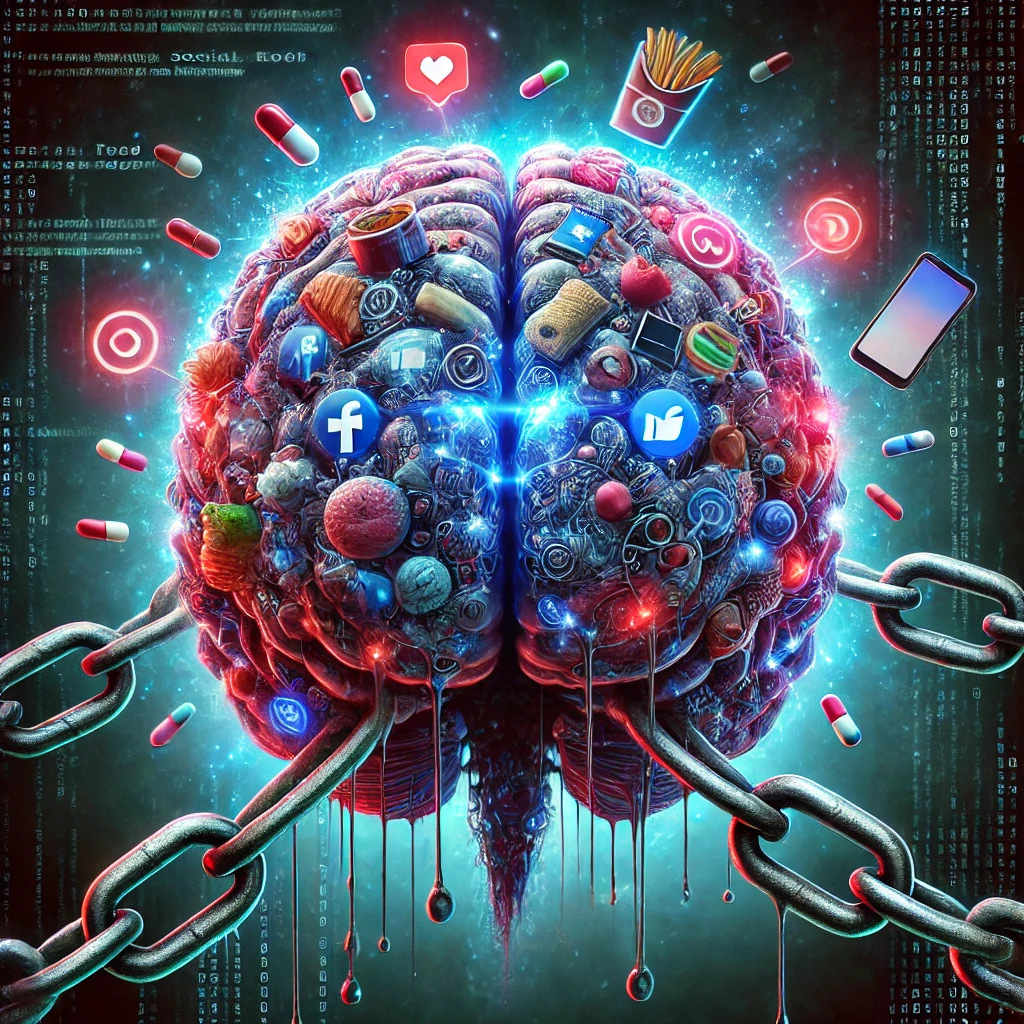
The long term effects of social media scrolling are multi-fold. Constant stimulation trains the brain to expect quick rewards, making it harder to focus on slow, deep tasks. This affects reading, learning, and real life conversations with other people. Normal activities feel less rewarding because they won’t offer instant gratification. The dopamine imbalance can lead to mood disorders and a lack of motivation as well.
The secondary effects are just as bad. Social media reduces your melatonin production which will make it harder to sleep, and poor sleep will further lower dopamine, making the cycle worse. Staying up late and scrolling will exacerbate this, disrupting your circadian cycle and causing a cascade of other imbalances throughout the body.
We could go on, but I think you get the point here. There is a cycle that gets started and once you are in it, it becomes very difficult to break out. All the different addictions function very similar to each other, regardless of it being a substance or a behavior.
Lets take a quick look at tobacco for another example, just to drive home the similarity between all the addictions.
Nicotine (tobacco) directly stimulates dopamine neurons, causing a fast and intense surge. This dopamine is powerful, and users will feel pleasure, alertness, and relaxation. This will typically last 10-30 minutes, after which cravings will begin and most smokers will re-dose throughout the day in an effort to maintain dopamine levels.
Over time, the brain will reduce the quantity of dopamine receptors due to the frequent nicotine stimulation, causing natural dopamine production to decline. This results in daily life not feeling as pleasurable without nicotine, causing dependence—where the user relies on nicotine to feel normal. When nicotine is absent, dopamine levels will plummet, leading to irritability, mood swings, fatigue, brain fog, anxiety, restlessness, and strong cravings.
The Dopamine Reset: How to Rewire Your Brain
All addictions function pretty similar in this way of affecting dopamine, the main differences being the speed at which the dopamine is released, the amount of dopamine released, and how long it will linger in the system. Substances like meth or cocaine (coca) cause an extreme flood of dopamine within seconds, whereas sugar will cause small frequent dopamine spikes over minutes.
This is encouraging, because it means that no matter what addiction you are engaged in, the solution will be the same: a dopamine reset. The system needs to be rebooted, and there is a clear pathway for how to restart.
Disclaimer: Not all substances can be quit cold-turkey. Some substances, when used for long periods of time, can cause long-term changes in the brain and quitting them suddenly can cause severe withdrawal symptoms, seizures, or death. Alcohol and benzodiazepines (Xanax, Valium, etc.) are the main ones. These substances need to be tapered off gradually.
Step 1 is pretty straightforward: remove or reduce high-dopamine activities that cause a rapid spike. And yes, this means everything. If you have an issue with tobacco and want to only quit that, but continue eating sugar constantly and drinking caffeine daily, that won’t work well. Now, you might have success kicking the tobacco, but more than likely you will just lean into the sugar and coffee more (or other behavior) to replace it.
Here we are talking about a dopamine reset, not kicking a specific behavior or substance. The dopamine reset will help you with all addictions, as it is addressing the root cause. So, remove or reduce all fast dopamine hits. This includes: social media scrolling, doom-scrolling, caffeine, sugar, junk-food, cannabis, tobacco, alcohol, coca, other substances, video games, porn, and binge-watching. This is not an exhaustive list, but covers most of common ones.
The goal should be complete avoidance, but with some of the substances that might not be possible. With caffeine for example, if you regularly drink several cups of coffee a day then you will most likely get withdrawal symptoms—headaches—if you completely stop suddenly. If you have the space in your life to deal with that, then cold-turkey is better and will provide better results. Otherwise, most people can’t deal with caffeine withdrawal while working a 40-hr week. Do your own research and figure out how to reduce intake as quickly as possible while avoiding the headaches. In general, reducing total caffeine intake by 25% every 3 days works for many people to avoid the headaches.
With alcohol and benzodiazepines, its a bit more complicated and if you have specific questions then refer to a qualified healthcare practitioner and/or detox center. Tell them you need to get off it completely as soon as possible. Describe you current dosage and time period you’ve been using, and they can determine a protocol for you to safely get off. Only once you are completely off can you begin the dopamine reset.
The rest of the substances and behaviors should be quit cold-turkey. Remember we are talking about a very specific thing: a dopamine reset. This will be impossible without completely stopping the quick dopamine hits. If you give up everything except for sugary snacks, then the reset will not work. It’s all or nothing. This might sound crazy to you, and if it does then that is very good. It simply means you should probably try it.
Breaking Free Starts with Better Choices
Now, there is no need to avoid dopamine altogether—you simply need to replace these fast, high dopamine activities with slow, low dopamine activities. This rebuilds your natural balance inside the brain.
There are a great many activities that are suitable for this: running, strength training, any exercise, reading, learning, creative projects, real social interactions, the list goes on and on. Spending time in sunlight and nature is great too, with the added bonus of increasing serotonin as well. Face to face social interactions increase dopamine and oxytocin, unlike digital interactions. Meditation and mindfulness practices reduce stress hormones and help reset dopamine sensitivity.
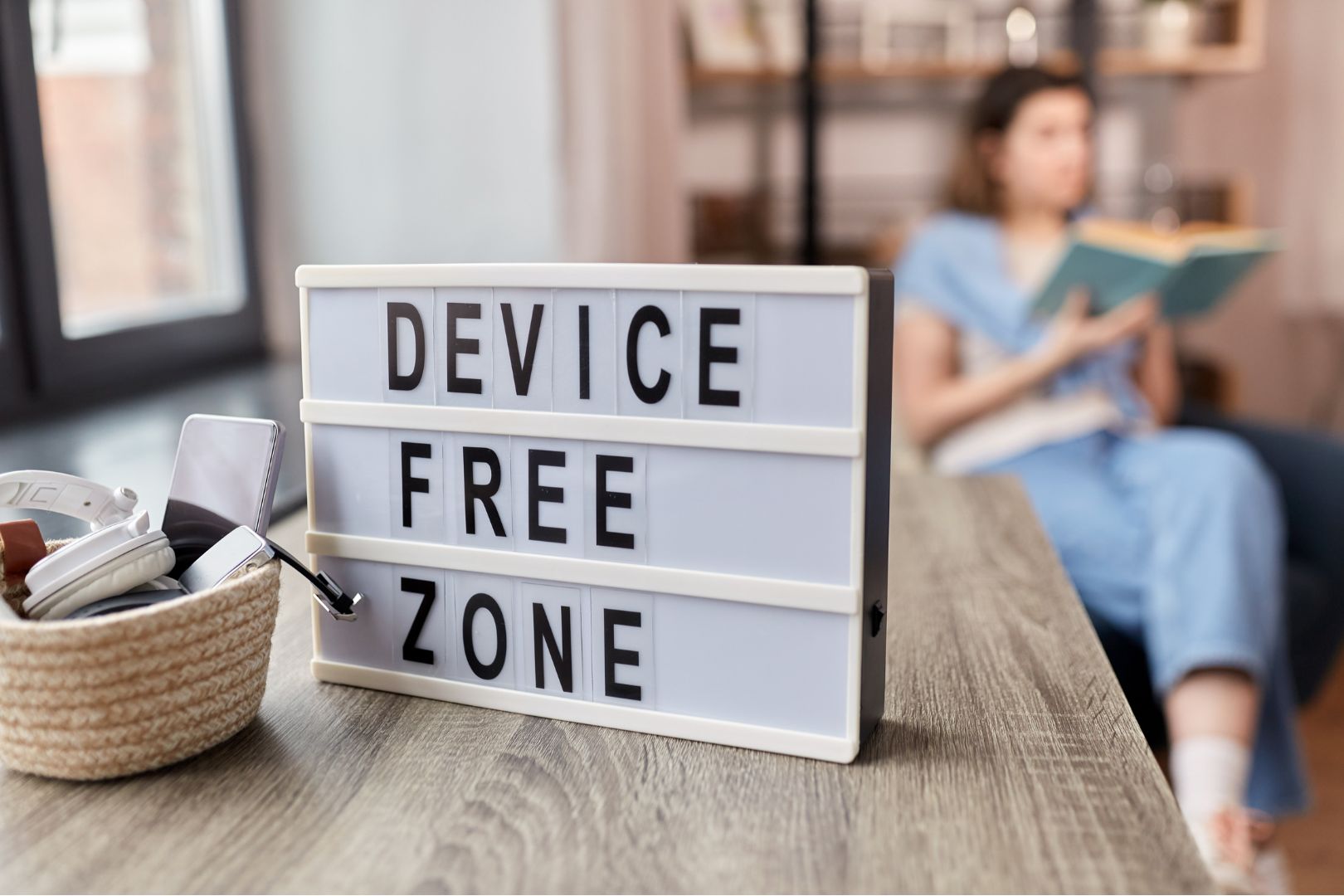
Finding the right activities to engage in is fairly intuitive, the main takeaway here is to find what can work for you and do it. This switch from fast dopamine hits to slow dopamine increases is critical, and ignoring this puts you at risk of trading one addiction for another. This is why the dopamine reset is so powerful.
How many people do you know who quit smoking cigarettes and became addicted to the nicotine patches, or to sugar or coffee? How many people give up video games for social media scrolling, or porn for sugar? The average person “quitting addiction” is actually merely trading addictions, one for the other. If they want to quit, they have to look deeper for the root of the issue.
In general I find it much better if people can muster up the strength to quit everything cold-turkey and replace these behaviors and substances with supportive slow-dopamine activities. The results are better, quicker, and more substantial. However, if that is not you, if you simply cannot do it for whatever reason, then that’s okay. I understand. That was me for a long time also. Let me give you a tool that has helped me in my journey with addiction.
The Trade: A Simple Tool to Rewire Your Habits
The tool is: the trade. Here’s how it works:
If there is a substance (or activity) that you want in a moment, it’s okay to do it and allowed, but you must trade something for it. Let’s say you want a cigarette (or a drink, or a social media scroll session, or play a video game, etc.). This is totally allowed and acceptable, but you must pay for it. What is the price? A 15-minute walk. Or run, or meditation, or whatever you want the price to be. This is your tool and you can set the price.
What is important is the price must be heavy. If you were already planning on running before your cigarette, then think of something better. Maybe its a 15-minute yoga practice, or going outside for 15-minutes and finding a neighbor to strike up a conversation with (great if your addiction is social media). Get creative. Whatever it is, it should be a slow dopamine activity, as this will begin the gradual shift away from the easy and quick dopamine hit.
Why does this tool work? Often in these moments when we have the urge or craving to do whatever it is we are addicted to, what is actually happening is our dopamine levels are bottoming out and it is finally getting to the point where we are becoming very uncomfortable with the feelings inside us. A 15-minute walk in sunlight and nature will give you some dopamine and serotonin to work with, and over time you will find that by the end of the walk you aren’t craving anymore.
There is an important note on this: take extra care to avoid paying the price and always using the substance (or activity) afterwards anyway. It is important to check in with yourself after the walk to make 100% sure you still need the thing.
Otherwise, you run the risk of simply integrating your walk (or yoga practice or meditation) into your addiction. This could be looked at by some as a step in the right direction, but it is too small a step. And it is possible to start to associate the addiction as being beneficial in some weird way (smoking=walks=good??)
This is a great example of why it’s always better to quit cold turkey, as you avoid all the common pitfalls along the way. There are tools to help you, but every tool has its limits. Hammers are great for nails, not so much for screws.
Reclaiming Your Mind in a World Designed to Control It
Imagine the inner strength and power you would uncover if you could free yourself from addiction in a single moment. A perfect snapshot in time when you decided enough is enough, you will not settle for anything less than everything you have to give. If you followed through and did it, you would develop an unshakeable strength and fortitude. You might falter in the future, but that moment and that inner strength would reside forever inside you, nourishing you in moments of despair and weakness.
Addiction is messy, and poorly understood. We humans evolved to be very susceptible to addiction. Think about an ancient man 5,000 years ago stumbling across a big patch of blackberries. It was to his advantage to take and eat every single one of those berries, probably coming back for more until they stopped producing altogether. After all, it might be a long, long time before he came across them again.
Our bodies and brains have been incentivized over evolutionary time to pay special attention to exceptional colors and sounds as well. Modern society—i.e. corporations and businesses—have taken advantage of these aspects of our humanity and used them to hook us and reel us in close. Now we can buy blackberries plastic wrapped in a supermarket, and see extraordinary bursts of color and sound whenever we like on a screen we keep in our pocket.
We have now been conditioned to these short bursts of novelty that are available on demand, at any moment we desire. Indeed, modern life is built around this, with a vast array of corporations with the sole purpose of leaning into these aspects of our human biology so they can extract our resources—money.
Modern medicine is in on it too, which makes the situation far worse. Pain pills are one of the most sadistic form of addiction, as it comes from the very system that most people turn to when they have health problems. How many people go into a hospital for a small surgery and leave with a bottle of pain pills and a brand new addiction?
Our culture understands very little about addiction. The person addicted to scrolling social media calls the alcoholic an addict, and the alcoholic calls the crackhead an addict. I look at things more holistically, and through this lens we can see that most people are having their lives derailed in some way due to addiction. It’s not just the behaviors or substances themselves, but rather our cultures dependence on quick hits of dopamine—quick hits to feel good—in our profoundly disconnected reality.
The solution is simple—if we have the will—and requires a return to the basics. I hope this article has offered you something useful to reflect on. Thanks for your time.