Essay
Have you ever wondered how to truly connect with the plants you work with—how to tap into their wisdom, deepen their effects on your body and spirit, and build a relationship that nourishes you on every level? The secret lies not in simply using plants, but in growing them yourself.
Plants are not just passive objects; they are alive, aware, and responsive to the care they receive. By cultivating them with your own hands, you enter into a profound, symbiotic relationship—one where plants learn to understand you, adapt to your unique energy, and respond with healing properties tailored specifically to your needs. This article will explore the science, spirituality, and practical benefits of growing plants, the subtle communication between humans and nature, and how sacred plants raised with love can transform your life.
Ready to uncover the deeper truth about plants and their ability to heal? Let’s dig in.
Reconnecting with Nature: How Plants Communicate and Heal
Plants are living beings, and it is possible to form a relationship with them. Just like a child might listen to their mother, so too a plant might listen to their caregiver when a specific request is made. The deeper the relationship, the better the results will be.
If this idea seems farfetched to you, its simply because you don’t have that many deep relationships with plants. This knowledge is empirical, and when you immerse yourself in the world of plants it becomes more clear how the process works.
Even science is only just beginning to understand this. For example, we now know that plants are communicating with each other. If insects start eating the leaves of one plant, the message will be sent to other plants in the same area and they will develop compounds to help resist those specific insects. Large trees in a forest will, upon sensing another tree in distress, redirect the flow of their own nutrients to the tree in need. The mycelial network in the soil helps with this transfer of information, connecting all the plants together via their roots.
Plants and animals are in constant connection and communication with each other. Just because it is hard to perceive or subtle does not mean it isn’t happening. Pheromones, pollen, electromagnetic signals, and vibrations are the language of plants, and this language can be learned. They don’t speak like we do, and why should they?
It’s interesting to note that we used to be able to see, feel and understand these other forms of communication, the more subtle messages of plants—but then something happened. The outside world started creating more and more noise, making the signals harder to perceive amidst the chaos. Electric lighting, cars, factories, television, phones, Wi-Fi.
As well, people moved further and further away from nature. Walls became thicker and air conditioning replaced open windows. Farms changed to cities and we slowly began to lose our abilities to perceive the more subtle communications of plants and the natural world. People living closer to nature did not suffer this same fate.
Even still, this process is most certainly reversible. The abilities are still there, but all the little muscles in the body, brain, ears, skin, nose, and eyes are atrophied from non-use. Like a person who has laid in a bed for 4 months after a surgery, who’s body is weak and accustomed to non-use, we can restore full mobility with extensive rehabilitation.
The Transformative Power of Growing Your Own Plants
We are communicating with the world around us in ways that are not as readily perceptible as speech or body language. We have our own pheromones we release, electromagnetic signals, and vibrations. We might not always be able to understand these communications intellectually, but the rest of the world readily accepts and understands them, especially plants.
Plants can feel us, know us as individuals. Every time you stick your hand in the dirt, you leave behind information in the form of sweat, oils, skin cells and bacteria. This is exactly the type of information that plants have evolved to read and understand, and their roots are ready and waiting to soak it all in. The same happens each time you stroke a leaf or a stem, or smell a flower—you are always leaving behind something of your own, communicating directly with that individual plant.
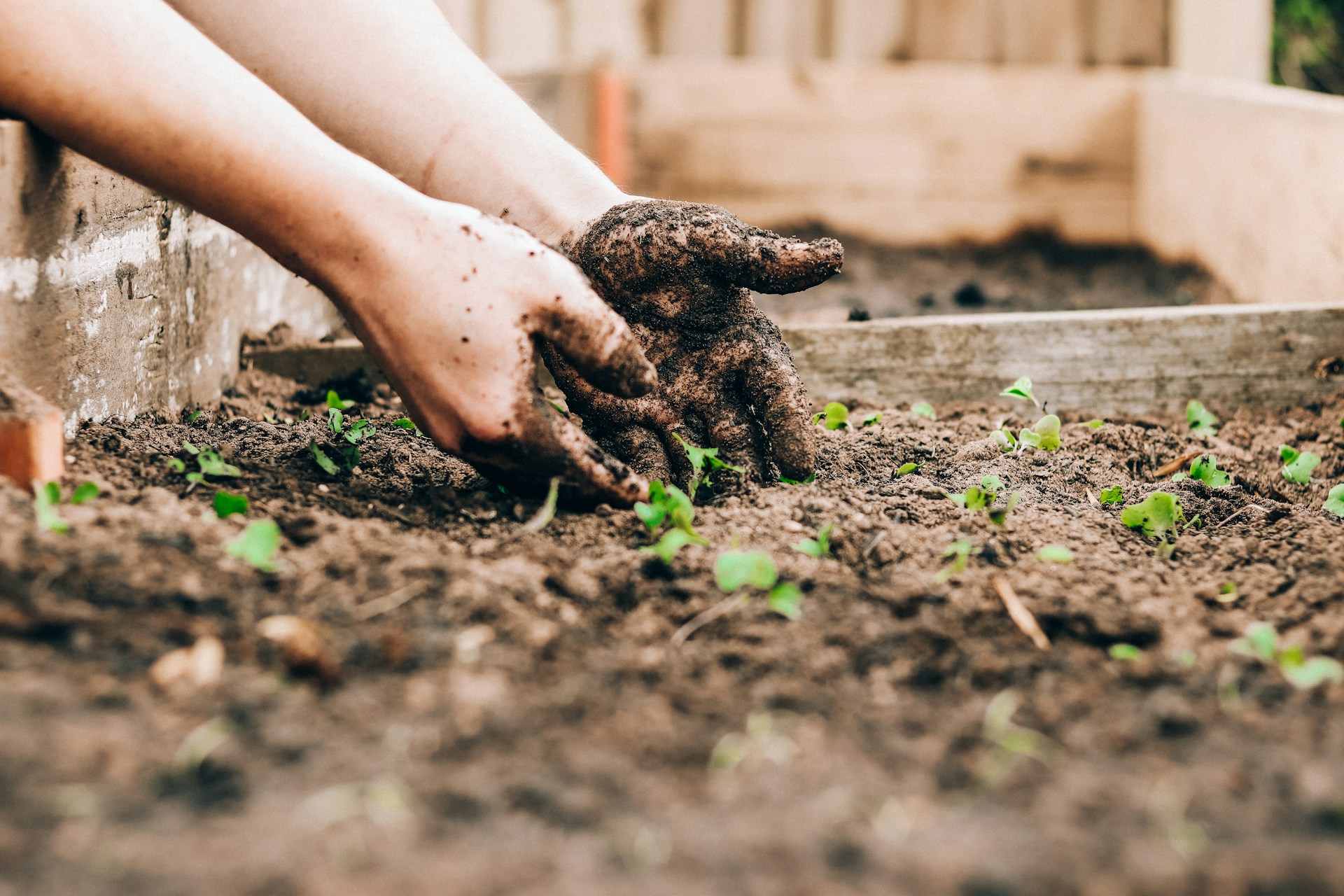
Over time, if you are tending to the same plant throughout its lifecycle, it will become accustomed to you, even excited at your presence. We even have words for it—when someone is naturally good at growing plants we say they have a green thumb. This is not a talent in the same way as someone might have a natural ability to jump higher than others. Anyone can grow plants well, it is your birthright as a human being to tend to the natural world. People who we think of as having a green thumb are actually just genuinely interested in plants and love the natural world.
When you take care of a plant with intention and love, it will do the same for you. You might wonder how a plant might be able to care for you, but consider how every single medicine in the world comes from plants. For every illness a human faces, nature offers a plant that can help heal. Which plant will of course depend on the disease, but each plant has the capacity to help with a great number of difficulties we might experience.
In fact, cultivating plants yourself in your own garden will strengthen and enhance the effects that those same plants will have on you personally. Remember that sweat, oil, skin cells and bacteria you leave behind in the soil and on the stem and leaves every time you work the garden—as well as the electromagnetic field you emit as you walk around? The plants are sensing that and reacting to it all. Depending on what they sense from you, they will develop different phytochemicals and compounds—and in different proportions than they might otherwise.
When you consume or use these plants, they will have unique healing properties for you individually, as the plants have adjusted to you and your presence. They will care for you just as you have cared for them, and they know exactly how to care for you because of the information they have been gathering as you tended them. Whatever their natural healing properties are, these will be enhanced for you, and only you, as they have adjusted to your information.
The Symbiotic Logic: Why Plants Care for You Too
Why would they do this? Well, lets think logically. Since the dawn of life on this planet, plants have always lived as part of an ecosystem, a community. They were closely related to all the other plants and animals around them, everything evolving together. As happens in any community, you can make friends with someone. When some plants or animals have a beneficial relationship with each other, science calls this a symbiotic relationship—that is, each one benefits from the others presence.
If we look at dogs, this is very obvious. Dogs benefit from us, and we from them. Looking at fruit trees, we see they have evolved sweet fruits to attract animals to come and eat them, taking the seeds with them in their bellies and pooping them out somewhere else, allowing the tree to proliferate and spread. In the case of fruit trees, for this to work the fruit should actually be nourishing for the animal who consumes it, otherwise they would not eat it and the tree would not spread very much.
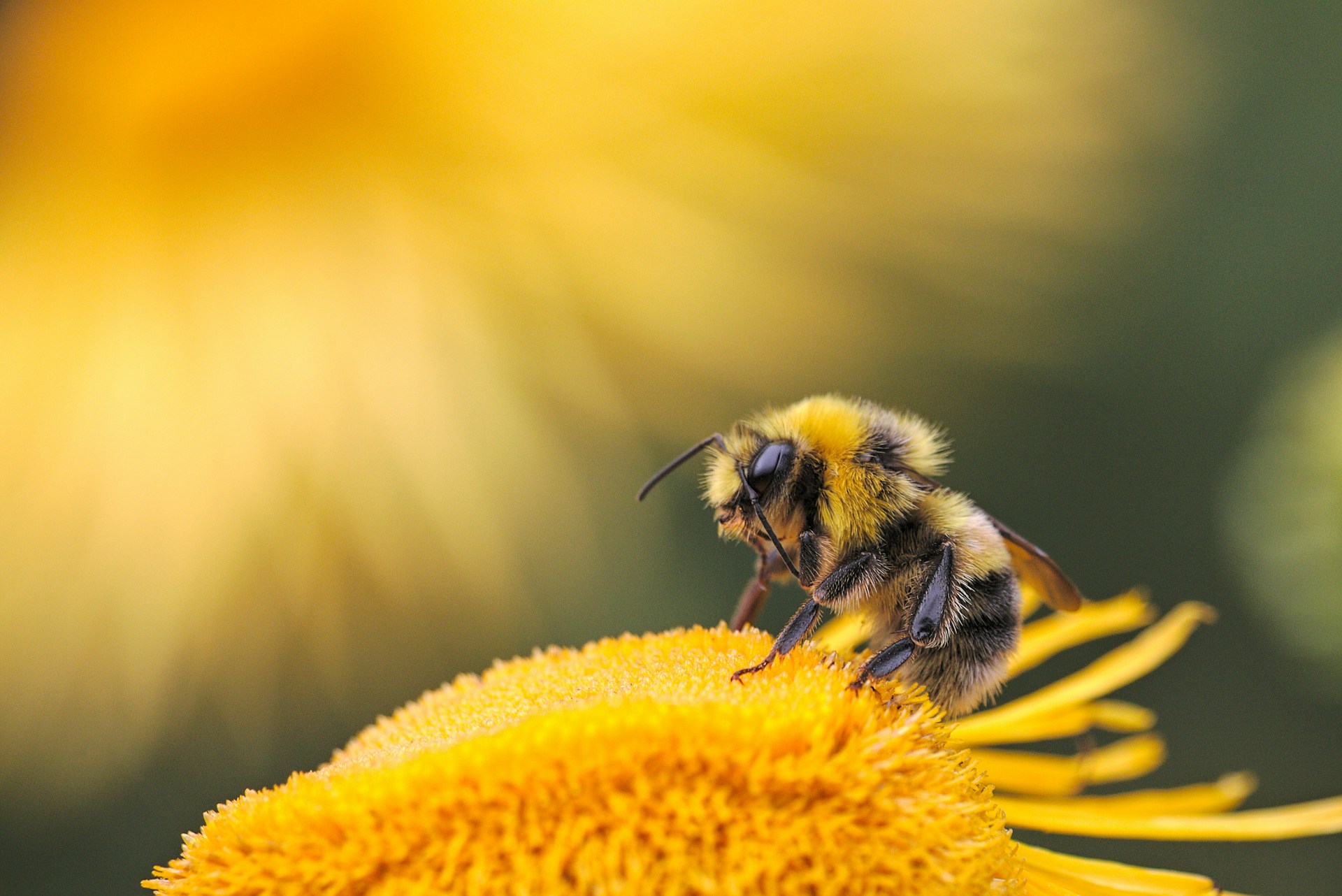
What about the flowers and the bees? People tend to think the bee evolved to take advantage of the pollen plants put out, finding their own little niche. This is not the case. Flowers and bees evolved together. The pollen is actually nourishing the bees, sustaining their colony and keeping them alive. The bees are actually helping the flowers, spreading the pollen around to each and every flower and allowing them to proliferate.
While a scientist might call this process evolution, I would call it intelligence. Science tends to wash out intelligence from situations like this, as anything that cannot speak in words or use opposable thumbs cannot possibly be intelligent, right? Looking at the world we live in today and the humans that created it, a great many words come to my mind, none of which is intelligence.
Call it evolution, call it intelligence, call it whatever you want. The message is crystal clear though: plants and animals coexist together, evolve together, and actively care for one another. The wolf might not take care of the deer, but by killing the deer he takes care of the grass. When the grass nourishes the deer, it takes care of the wolf.
Let’s go back to the plants you are cultivating in your own garden, the ones that are adjusting to your presence and your skin oils, pheromones, bacteria and electromagnetic presence. With all this in mind, does it make sense logically that your plants would have an interest in keeping you healthy? Yes! Just like the flower takes care of the bees and grass takes care of the wolf, your plants want to nourish you. It is both evolutionarily advantageous and intelligent for them to keep their symbiotic partner healthy and vibrant, as their partner keeps them the same.
The plants have all the information they need, gathered during all the time you spend with them. If you have an excess of a certain bacteria, they will adjust their compounds accordingly to bring that population back into balance. If they sense weakness in the organs, they will adjust to that. Each organ emits its own electromagnetic signal, and these signals change depending on whether we are angry or happy, in fear or in love. Plants can sense these signals and adjust to those as well.
Every Plant is a Healer: Unlocking Nature’s Medicine
People tend to think of only certain classes of plants having “healing” properties. Herbs like chamomile or calendula, mushrooms like lions mane or reishi, or certain tree barks and leaves. Most people don’t look at a cucumber or tomato as having the potential to heal disease and bring about vibrant wellness. They see healing reserved for those special ones like ginger or turmeric, or the rare Chinese herbs. There are of course certain plants that greatly excel at correcting certain conditions in the human body, but that doesn’t mean the lowly cucumber cannot heal disease.
In fact, I believe a cucumber grown by your own hands in your garden will have greater healing capacity than most other plants could possibly have. This cucumber knows you personally, and more importantly, was grown with love and purpose. We have not yet introduced the role of conscious intent when cultivating plants, but it plays the greatest role in the effects a plant will have on the human body.
When you grow a garden simply because you want to, to enjoy the fruits of your labor and make the Earth a more beautiful place, you begin a powerful process of co-creation with nature. The spark that sets this fire ablaze is a love for nature, yourself and the plants—and love is a powerful energy.
This love is a universal energy, and carries with it a distinct frequency and vibration. The plants feel this and are in turn tuned to this frequency of love, adopting it internally. They grow and evolve under this constant influence of the vibration, frequency, and energy of love.
In contrast, when plants are grown with other goals in mind they will adopt those vibrations and frequencies instead. Let’s think about how most plants are grown on this planet… The vast majority of vegetables, herbs, fruits, mushrooms—all plants—are grown with 1 single goal in mind: making money. This carries a very different frequency than love.
Consider the average worker in the fields on a typical farm, what are they thinking about? Money. Think about what your thoughts would be in this circumstance, spending 8 hours a day on someone else’s farm taking care of their plants that they will sell and make the money on, while you are paid minimum wage. My guess is you wouldn’t be too happy about it. You would probably only consider such a job just to make some money.
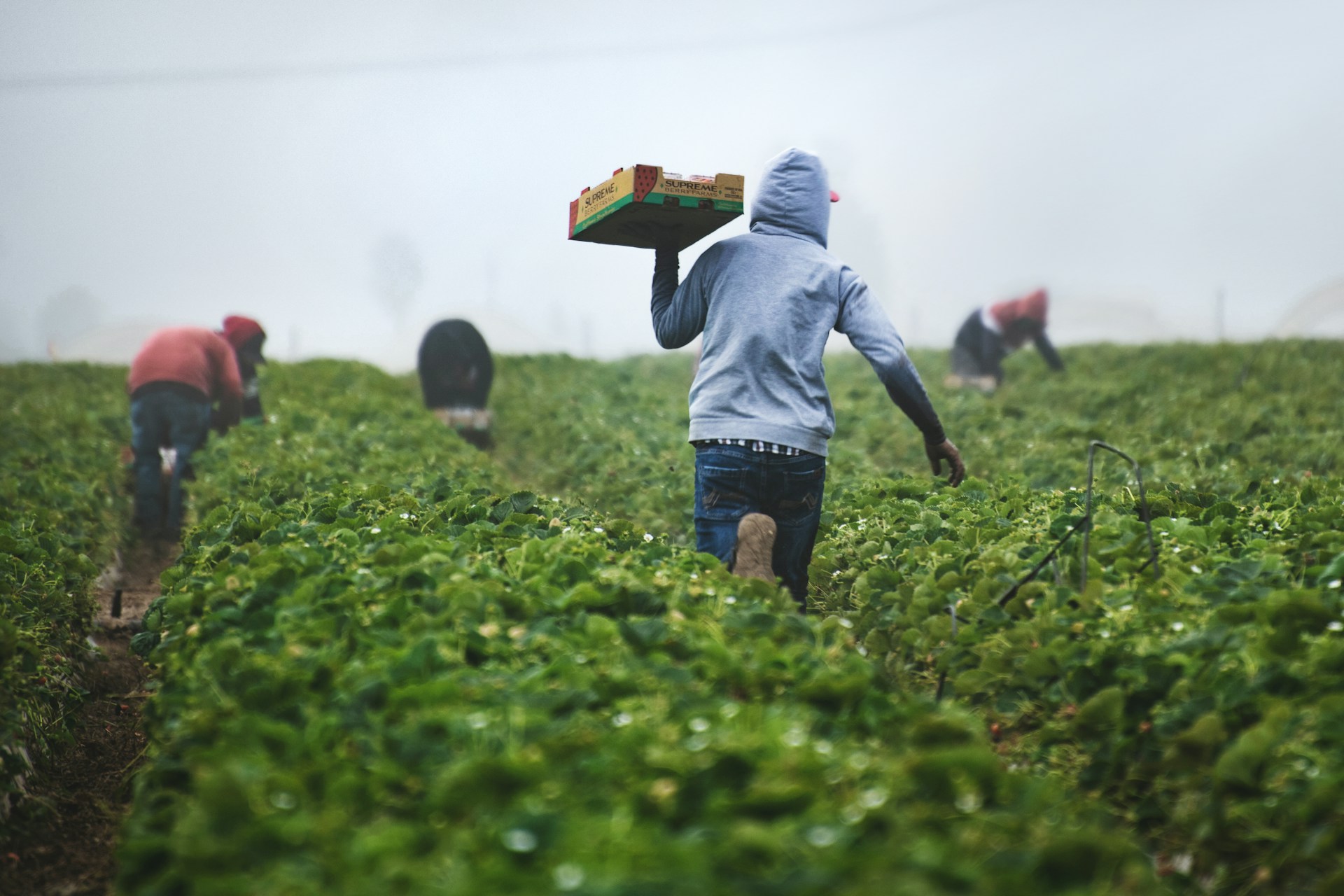
This is the frequency and vibration that 99% of produce—all food products—found in stores carry. All of it was grown with one sole purpose in mind: let’s make some money. The human beings these plants and animals were surrounded by for most of their lives were only interested in money. Most of these humans did not enjoy their job, and the thought of the money they would make was the only reason they tolerated it. The plants and animals felt this vibration and adapted to it.
Food cultivated in this way is incapable of nourishing a human beings soul. It might carry the correct nutrient profile to sustain life, but that is all it will do—sustain. It cannot truly nourish your spirit.
The only way to obtain food that can nourish your spirit, created from plants or animals that were grown with love and tenderness, is to grow it yourself. Don’t think the food found in Whole Foods or your local organic farm is any different in this regard. The owner of a company or farm might have a beautiful goal and mission in mind, but is he the one planting the seeds, tending the plants, or milking the cows? No, it is most likely a hired worker doing the task to make some money. The people the plants and animals are actually exposed to are just there for money.
This is not to say anything negatively about farm workers at all. It is simply a logical exploration into the energy behind most plants and animals being cultivated for food. If I needed to make some money and was working on a farm, I would think the exact same thoughts: I’m here for the money. This is the point.
Sacred Plants and the Energies That Shape Them
Getting back to the subject of this article, how does this extend to sacred plants? Exactly how you think it would, the same exact rules and logic apply, and even more so because these plants have psychoactive effects and work directly with the brain. Anytime you buy mushrooms, coca, ayahuasca, tobacco, peyote, san pedro, or any other sacred plant, it is important to consider how and why it was grown.
It is entirely possible to find plants that were grown with only love, sharing and a deep reverence for the plant itself in mind, and these are exactly the type of plants you want. Plants that are grown by someone who desires to have the plants themselves and will share only what excess they have with others.
What you are much more likely to find however is plants that were grown with the goal of profit. These plants’ effects on the body, mind and spirit will be weakened and twisted, more so than vegetables and food grown in the same way. Why? Because they are psychoactive and work with the brain directly, they have much more potential to manipulate the thought patterns and behaviors.
Many people have this belief that because a plant like ayahuasca (a mixture of 2 plants actually) is capable of immense healing, it is therefore always inherently good as well as the tribes that work with it. The world is not black and white though—there are infinite shades of color between the two extremes. A plant cannot be inherently “good” anymore than a human can be inherently “good.” Plants will always adopt the characteristics necessary to thrive in the environment they are in, just like human beings and all animals will do.
Ayahuasca vine that is grown with the intent to make money will take on this frequency, as will the tribe and healers who use the plant. This is a dangerous, slippery slope. Where does this money come from? Other people.
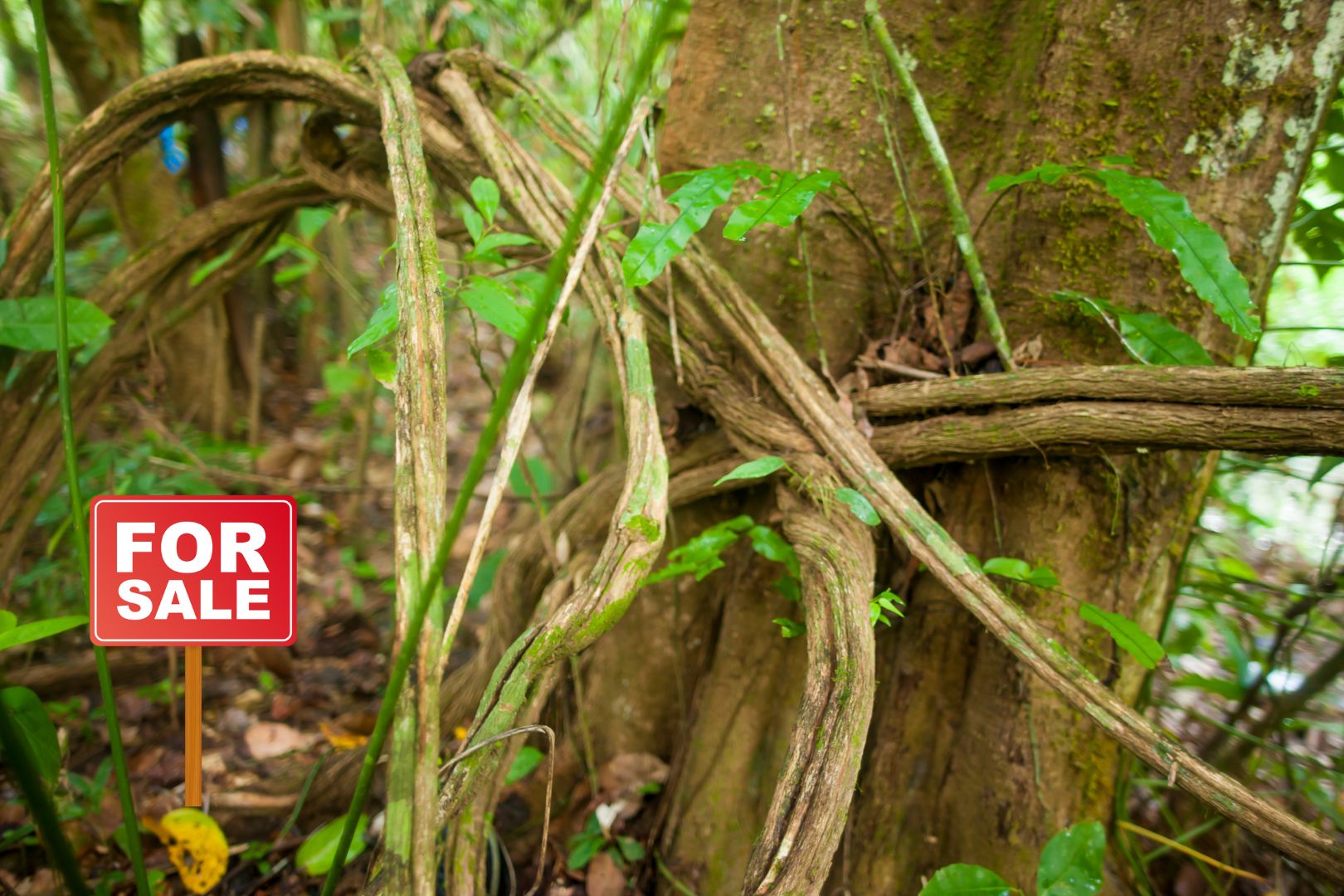
When someone grows sacred plants for money (or buys plants that had been grown for profit) and then uses those plants on people that come for healing, it is inevitable that manipulation will occur. It can be no other way. The ceremonial healing becomes a commodity, and the plants lose their ability to bring true healing and transformation into peoples lives.
The mechanism is multifaceted, and the topic deserves its own article. Here we will keep the focus on the plants and you as the direct user.
Look at other plants, coca for example, and we find the exact same situation. Ask yourself how a tribe in the jungle have the ability to export hundreds (or thousands) of pounds of coca leaf every year. Is it simply the excess from their love of the plant? More than likely it is a plant being grown for profit, no different than a banana from a large plantation. Contrast this with buying the excess coca leaf from one individuals home garden, and you see the point I am driving home.
Please don’t misunderstand me here and think I am being insensitive to the struggles of indigenous peoples living in poverty in the jungle and the ways they have found to sustain themselves. That is not at all what I am doing. I am simply pointing out the effects these practices have on the end result, the plants. There is no morality issue here.
How to Deepen Your Connection with Sacred Plants
The goal of this article was to help you understand how to deepen your relationship to plants, to strengthen your connection with them and their effects on your life. I hope by now you have seen the clear answer: you have to grow them yourself.
When you buy a plant from someone else, you have no idea what you are getting your hands on. Was it a piece of basil from someone’s home garden who tends it with love and care, who never thinks about money or greed or anything else when they are in the garden? Or was it a piece of basil from a large crop that someone grew just to sell and make some money, tended and harvested by underpaid farmhands working for money?
Tobacco is a powerful plant, often considered the most powerful plant by many tribes around the world. This is a great plant to have a deep, healthy relationship with, and also a great example of how you could only ever achieve this by growing it yourself. Almost all the tobacco you will find anywhere in the world is grown with one single goal in mind: profit. Profit in the face of deadly effects on the humans whom are providing the profit. It is impossible to have a healthy relationship with tobacco when using plants grown like this.
If you want to deepen your relationship to a plant and strengthen your connection to it, you must always ask yourself: where did this plant from? Who grew this? What was the quality of their thoughts when they grew it? Why did they grow it? This is the bare minimum. The answers to these questions determines the qualities of the plant matter.
Or, you can grow it yourself. Then you not only know the answer to all these questions, but you build a relationship with the plant. The plant begins to know you intimately and adapt to you specifically, while it is still alive and growing. The effects it has on you will be tailored to your specific needs, physically, mentally and spiritually. This is the beginning of a beautiful relationship.
To be continued…
Many blessings my friends.
Michael